When to Hire Bathroom Remodel Contractors vs DIY Renovation
Bathroom renovations are one of the most common home improvement projects, and for good reason. A refreshed bathroom can improve comfort, functionality, and overall appeal. One of the first decisions homeowners face is whether to hire bathroom remodel contractors or attempt a DIY renovation.
Both options have advantages and limitations. DIY projects can feel rewarding and cost-conscious, while professional contractors bring experience, coordination, and technical knowledge. Understanding when each approach makes sense can help homeowners make informed decisions that align with their goals, budget, and skill level.
This guide breaks down the differences between hiring bathroom remodel contractors and doing the work yourself. It focuses on project scope, safety, cost considerations, and long-term outcomes to help you decide which path may be best for your situation.
Key Takeaways
- DIY bathroom renovations may work best for cosmetic updates and small projects
- Bathroom remodel contractors are often helpful for complex layouts and technical work
- Budget, time availability, and skill level play a major role in the decision
- Plumbing, electrical, and waterproofing tasks often require professional expertise
- Permits and inspections may influence whether a contractor is needed
- Combining DIY and professional work can be a balanced approach
Understanding the Scope of a Bathroom Renovation
Not all bathroom remodels are the same. The complexity of the project often determines whether DIY or professional help is more appropriate.
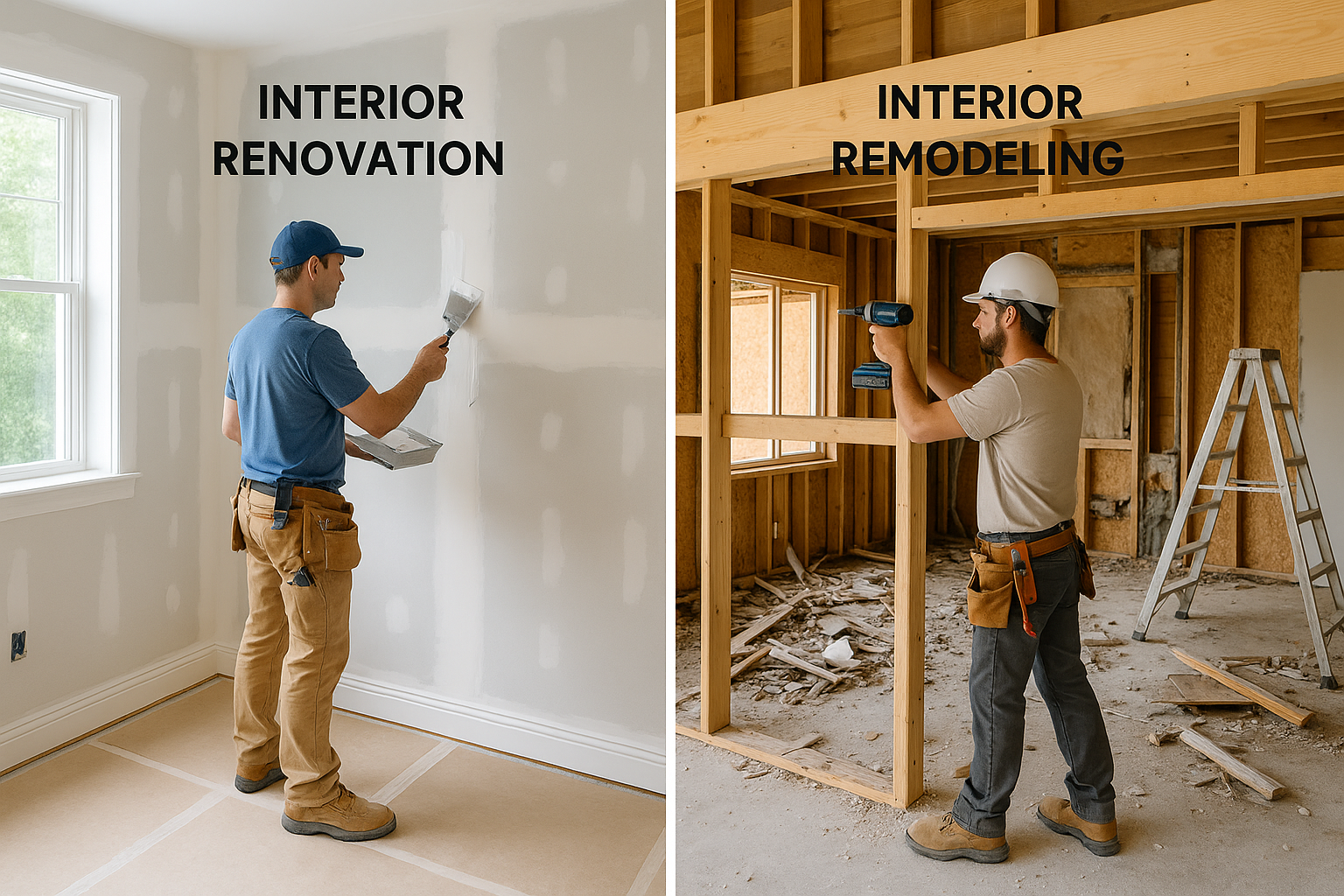
A minor renovation may include tasks such as painting, replacing fixtures, updating hardware, or installing a new vanity. These projects are often manageable for homeowners with basic tools and some experience.
More involved renovations can include changing the layout, moving plumbing lines, installing new tile, upgrading electrical systems, or addressing water damage. These projects typically require specialized knowledge and careful coordination.
Understanding the full scope of your renovation is the first step in deciding whether to hire bathroom remodel contractors or take a DIY approach.
What Bathroom Remodel Contractors Typically Handle
Bathroom remodel contractors oversee and execute renovation projects from start to finish. Their role may vary, but it often includes planning, coordination, and skilled labor.
Common responsibilities include:
- Assessing existing bathroom conditions
- Helping plan layouts and material selections
- Managing plumbing and electrical updates
- Installing tile, fixtures, and cabinetry
- Coordinating permits and inspections
- Scheduling and supervising subcontractors
Contractors bring experience that can help avoid common issues such as improper waterproofing, uneven tile installation, or code violations. While their services involve an investment, they often streamline the process and reduce uncertainty.
What DIY Bathroom Renovation Involves
DIY bathroom renovation places the responsibility entirely on the homeowner. This approach can be appealing for those who enjoy hands-on projects or want to maintain control over every detail.
Typical DIY tasks may include:
- Painting walls and ceilings
- Replacing faucets or light fixtures
- Installing mirrors, shelving, or hardware
- Updating flooring with peel-and-stick or floating materials
- Replacing a vanity without altering plumbing
DIY renovation requires time, planning, and research. Homeowners must source materials, follow installation instructions, and troubleshoot problems independently. For simpler projects, this can be manageable, but more complex tasks increase the risk of errors.
Comparing Costs: Contractors vs DIY Renovation
Cost is often a major factor in deciding between hiring bathroom remodel contractors and doing the work yourself. While DIY projects may appear less expensive upfront, the full cost picture is more nuanced.
| Cost Consideration | DIY Renovation | Bathroom Remodel Contractors |
|---|---|---|
| Labor | No labor fees | Labor included in contract |
| Tools | May need to purchase or rent | Typically provided |
| Materials | Retail pricing | May access trade pricing |
| Mistakes | Repairs paid by homeowner | Often corrected by contractor |
| Time Investment | Significant | Minimal homeowner time |
DIY renovations can reduce labor costs, but mistakes or delays may increase overall expenses. Contractors may cost more initially, but their experience can help avoid costly rework.
Time Commitment and Project Duration
Time is another critical consideration. DIY renovations often take longer due to learning curves, limited availability, and unexpected challenges.
Homeowners completing projects on evenings or weekends may find that renovations stretch over weeks or months. This can be disruptive, especially when renovating the only bathroom in the home.
Bathroom remodel contractors typically work on a defined schedule. While timelines can vary, having dedicated crews often shortens the renovation period and reduces disruption.
Skill Level and Technical Requirements
Bathrooms involve multiple systems working together, including plumbing, electrical, ventilation, and waterproofing. Some tasks require precision and technical knowledge to ensure safety and functionality.
Projects that may exceed typical DIY skill levels include:
- Relocating plumbing lines
- Installing shower pans or waterproof membranes
- Electrical wiring and lighting upgrades
- Structural changes or wall removal
- Tile installation in wet areas
Mistakes in these areas can lead to leaks, mold growth, or code violations. Bathroom remodel contractors are trained to handle these systems and understand local building requirements.
Permits, Codes, and Inspections
Depending on the scope of the renovation, permits and inspections may be required. This often applies to plumbing, electrical, or structural changes.
Navigating permit requirements can be confusing for homeowners. Bathroom remodel contractors are usually familiar with local regulations and can manage this process on your behalf.
DIY renovators are responsible for researching requirements, applying for permits, and scheduling inspections. Failing to follow regulations may result in fines or complications during future home sales.
Quality, Durability, and Long-Term Considerations
A bathroom renovation is not just about appearance. Quality workmanship affects how well the space functions over time.
Contractors often follow industry standards for waterproofing, spacing, and installation. This can help extend the lifespan of materials and reduce maintenance issues.
DIY renovations can achieve good results when done carefully, but durability may depend on experience and attention to detail. In wet environments like bathrooms, even small errors can have long-term consequences.
When DIY Bathroom Renovation May Make Sense
DIY renovation can be a practical option under certain conditions. Homeowners may consider DIY when:
- The project is cosmetic rather than structural
- Plumbing and electrical systems remain unchanged
- The homeowner has relevant experience or skills
- Time flexibility is available
- Budget constraints limit professional involvement
Examples include painting, replacing hardware, installing a pre-assembled vanity, or upgrading lighting fixtures without rewiring.
When to Hire Bathroom Remodel Contractors
Hiring bathroom remodel contractors may be the better choice when the project involves complexity or higher risk.
Situations where contractors may be helpful include:
- Full bathroom renovations
- Layout changes or expansions
- Plumbing or electrical modifications
- Tile work in showers or wet areas
- Addressing water damage or mold
- Projects requiring permits and inspections
Contractors can also be beneficial for homeowners who prefer a coordinated process with fewer decisions and less hands-on involvement.
Combining DIY and Professional Work
Some homeowners choose a hybrid approach that combines DIY tasks with professional services. This can help balance cost savings with technical expertise.
For example, a homeowner may:
- Hire contractors for plumbing and tile work
- Complete painting and finishing touches independently
- Install accessories after professional installation is complete
This approach allows homeowners to participate in the renovation while reducing the risks associated with complex tasks.
Common Mistakes to Avoid
Whether choosing DIY or hiring bathroom remodel contractors, certain mistakes are worth avoiding:
- Underestimating project complexity
- Skipping waterproofing steps
- Choosing materials not suited for bathrooms
- Ignoring ventilation needs
- Rushing the planning phase
Careful preparation and realistic expectations can help prevent these issues regardless of the chosen approach.
Frequently Asked Questions
Is it cheaper to renovate a bathroom without a contractor?
DIY renovations may reduce labor costs, but expenses can increase if mistakes require repairs or replacements.
Can I do part of the bathroom renovation myself and hire contractors for the rest?
Yes, many homeowners combine DIY tasks with professional work for more complex components.
Do bathroom remodel contractors help with design decisions?
Some contractors offer guidance on layout, materials, and functionality based on experience.
How long does a typical bathroom renovation take?
Timelines vary based on scope. DIY projects may take longer, while contractor-led projects often follow structured schedules.
Are permits always required for bathroom renovations?
Permit requirements depend on the type of work being done. Plumbing and electrical changes often require permits.
Final Thoughts
Deciding when to hire bathroom remodel contractors versus pursuing a DIY renovation depends on several factors. Project scope, technical complexity, time availability, and comfort level all play important roles. While DIY projects can be rewarding for smaller updates, professional contractors often provide valuable expertise for more involved renovations.
Taking the time to assess your goals, budget, and resources can help you choose the approach that best fits your needs. Whether you handle parts of the renovation yourself or rely on professionals, thoughtful planning is key to a successful outcome.
Planning a bathroom renovation and unsure where to start? Speak with experienced bathroom remodel contractors to explore your options and determine the right approach for your project.
Reference:
https://www.instructables.com/Crawlspace-Encapsulation/
Share this article