How Bathroom Renovation Contractors Manage Design, Permits, and Construction
Bathroom renovation contractors handle three main parts of any remodel: design planning, permits, and construction work. They help Michigan homeowners plan their projects, get the right permits from the city, and complete the work safely and correctly.
Key Takeaways
- Design meetings help contractors understand what you want and measure your space to create renovation plans
- Permit help means contractors handle paperwork and make sure work follows local building rules
- Construction planning includes removing old materials, updating plumbing and electrical, and installing new fixtures
- Project management keeps work on schedule and solves problems that come up during renovation
- Material advice helps you pick the right products for your budget and needs
- Quality checks make sure all work meets safety standards and building codes
The Design Consultation Process
Bathroom renovation experts start every project with design meetings. During these meetings, contractors measure your current bathroom and look at what can be changed. They check the plumbing and electrical systems to see what updates are needed.
What happens during design meetings:
- Contractors measure your bathroom space and take photos
- They ask about your style preferences and how you use the bathroom
- You discuss your budget and timeline for the project
- They explain what changes are possible with your current layout
- You review different design options and material choices
Good contractors show you examples from past projects. They help you understand which changes will cost more money and take more time. Some changes, like moving a toilet or shower, require more work than others.
Many contractors use computer programs to show you what your new bathroom will look like. These drawings help you see the finished project before work begins. This helps prevent misunderstandings later.
The best bathroom renovation company will also check if your ideas follow local building rules. Some changes need special permits from the city. Contractors know these rules and can tell you what permits your project will need.
Permit Management and Code Compliance
Bathroom renovation contractors know which changes need permits from your city or county. Building permits are usually needed when work involves plumbing, electrical, or structural changes to your home. Simple repairs like painting or replacing fixtures in the same location usually don't need permits.
When you typically need permits:
- Moving plumbing fixtures like toilets, sinks, or showers to new locations
- Adding new electrical outlets or changing wiring
- Removing or changing walls
- Installing new ventilation fans or changing ductwork
- Making structural changes to floors or ceilings
Common Permit Types:
| Work Type | Permit Needed | What It Covers |
|---|---|---|
| Moving plumbing | Plumbing permit | New pipe locations, drainage, water supply |
| Electrical work | Electrical permit | New outlets, circuits, lighting fixtures |
| Wall changes | Building permit | Removing walls, structural changes |
| Ventilation | Mechanical permit | Exhaust fans, ductwork installation |
Some contractors handle the permit paperwork for you. They know what drawings and information your local building department needs. Each city may have different requirements, so contractors should check with your local building office.
The permit process includes inspections during construction. Building inspectors check that work follows local codes and safety rules. Contractors schedule these inspections and make sure work is ready when inspectors arrive.
Bath remodeling contractor professionals stay up to date with building codes. They know current rules for electrical safety, water efficiency, and accessibility features. This knowledge helps prevent delays and ensures your project passes all inspections.
Construction Phase Management
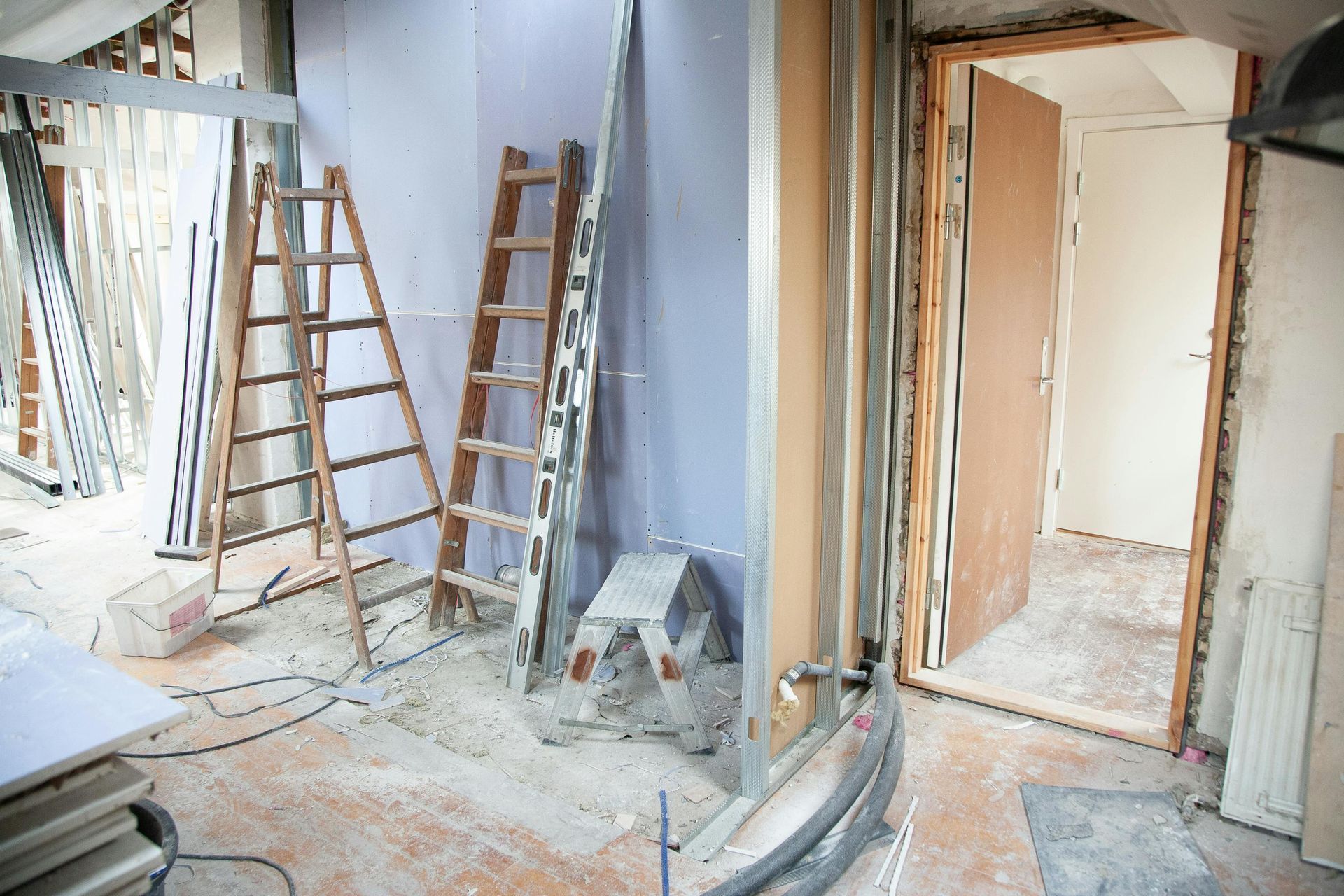
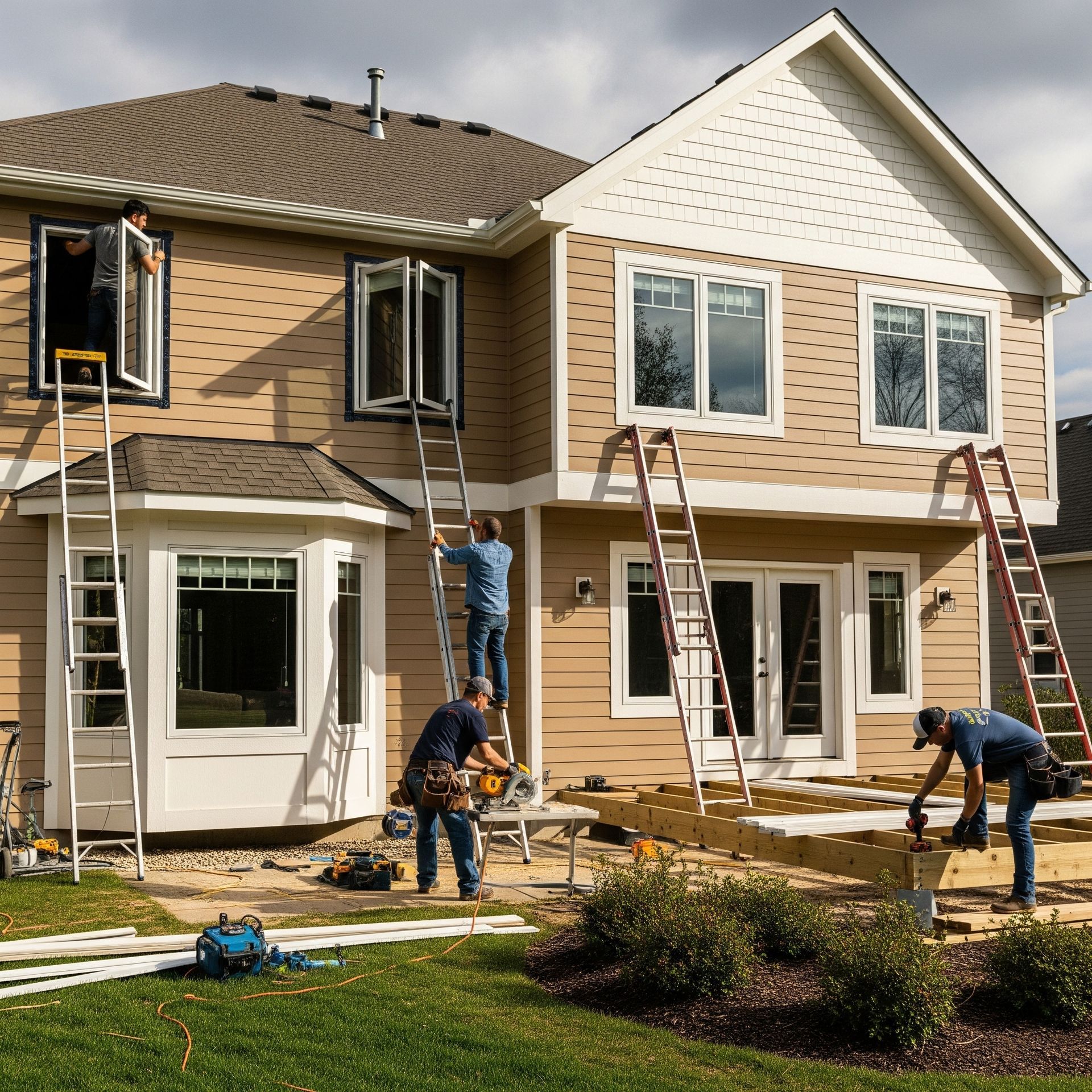
Bathroom renovation contractors plan construction work in stages. They create schedules that show when materials will be delivered and when different workers will be on site. This planning helps the project run smoothly and on time.
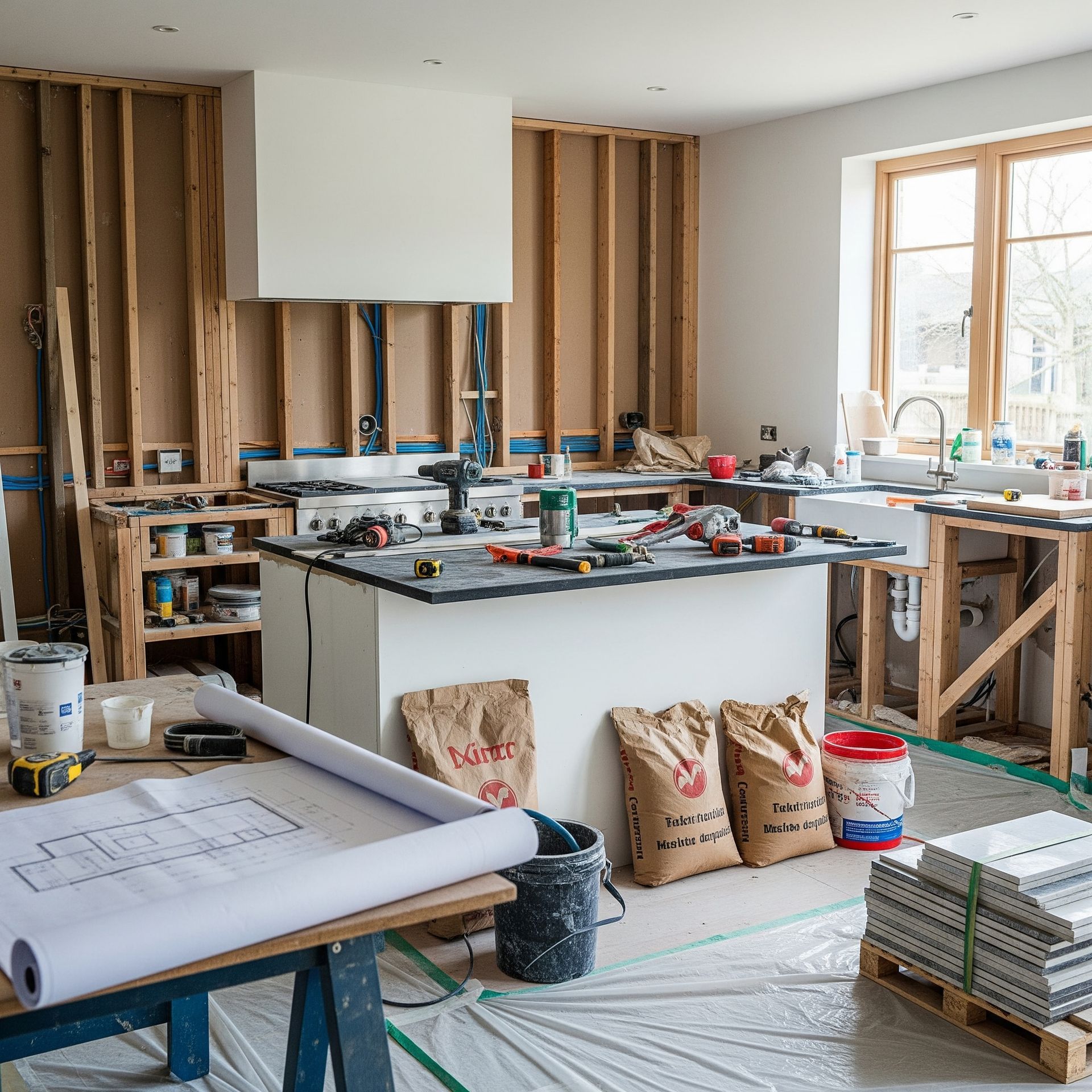
Demolition and preparation work includes:
- Protecting other parts of your home with plastic and barriers
- Carefully removing old fixtures, flooring, and wall materials
- Checking for problems like water damage or old electrical issues
- Preparing the space for new plumbing and electrical work
Infrastructure installation covers:
- Installing new water supply lines and drainage pipes
- Adding new electrical circuits and outlets for bathroom use
- Updating ventilation systems with proper exhaust fans
- Making sure all work follows building codes and safety rules
Contractors check their work at important points during construction. They inspect plumbing and electrical work before covering it with walls. Building inspectors also visit during construction to make sure work meets local codes.
Good contractors keep you informed about progress. They tell you when work will be loud or when you can't use the bathroom. If problems come up, they explain what happened and how they plan to fix it. Most bathroom projects take 1-3 weeks, depending on how much work is involved.
Timeline factors that affect project length:
- Size of the bathroom and number of changes
- Whether plumbing or electrical needs major updates
- Custom materials that take time to order
- Permit approval delays from the city
- Problems found during demolition
Material Selection and Installation
Contractors help you choose materials that work well in bathrooms and fit your budget. They know which products last longer and which ones might cause problems in wet areas. Their experience helps you avoid costly mistakes.
Materials contractors help you select:
- Flooring that will not be slippery when wet and will resist water damage
- Wall tiles and paint that handle moisture and steam
- Vanities and cabinets made for bathroom humidity
- Fixtures like faucets, toilets, and showers that save water
- Lighting that's safe for wet bathroom areas
Contractors often get better prices on materials because they buy in larger quantities. They can tell you which brands have good warranties and which products their past customers liked best.
Installation standards contractors follow:
- Using proper waterproofing behind the shower and tub areas
- Installing GFCI outlets near water sources for safety
- Making sure new plumbing connects properly to existing pipes
- Checking that floors are level before installing tile or flooring
- Following manufacturer instructions for all products
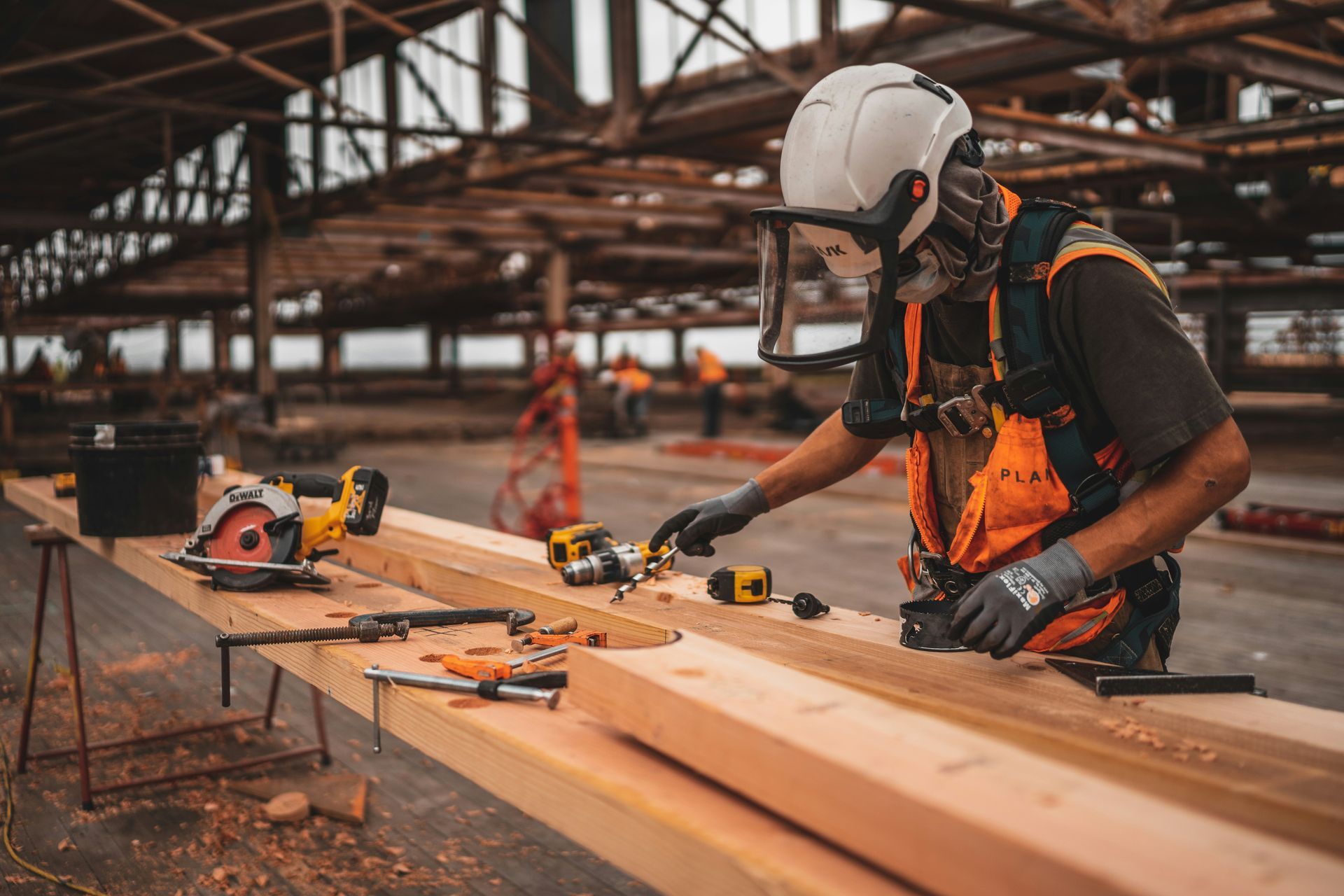
Good contractors have the right tools for bathroom work. They know how to cut tile properly, connect plumbing without leaks, and install electrical components safely. They also clean up daily so that your home stays comfortable during the project.
Bathroom renovation reviews often mention contractors who take time to explain product options and installation methods. This helps homeowners understand what they're paying for and how to maintain their new bathroom.
Project Communication and Problem Resolution
Good bathroom renovation contractors keep you informed throughout your project. They should tell you what to expect each day and let you know if anything changes. Clear communication prevents misunderstandings and keeps projects running smoothly.
How contractors should communicate with you:
- Daily or weekly updates on what work was completed
- Advance notice when work will be especially noisy or messy
- Quick responses to your questions during business hours
- Photos showing progress, especially for work you can't see
- Written details about any changes to the original plan
When problems come up during renovation: Construction projects often have surprises. You might find old pipes that need replacement or electrical work that doesn't meet current codes. Good contractors explain these issues clearly and give you options for fixing them. They should provide written estimates for any extra work before starting it.
Change order management: If you want to change something during the project, contractors should write down what you want and how much it will cost. Changes usually affect the timeline, too, so they should explain how your project completion date might change.
Final walkthrough and warranties: When work is finished, contractors should walk through the bathroom with you. They explain how everything works and what maintenance is needed. Most contractors offer warranties on their work, usually for one year. They should give you warranty information and contact details for any future service needs.
Choosing the Right Bathroom Renovation Contractor
Finding good bathroom renovation contractors takes research and planning. Not all contractors have the same experience or skills, so it's important to check their background before hiring them.
What to look for in contractors:
- Valid license and insurance for your state and city
- At least 3-5 years of experience with bathroom projects
- Good reviews from recent customers on multiple websites
- References you can contact from past bathroom projects
- Clear written contracts that explain all work and costs
Questions to ask potential contractors:
- How many bathroom renovations have you completed in the past year?
- Can you provide references from customers with similar projects?
- What permits do you think my project will need?
- How do you handle unexpected problems during construction?
- What warranty do you provide on your work?
Check online reviews on multiple sites to get a complete picture. Look for contractors who respond well to customer concerns and fix problems quickly. The best bathroom renovation company will also show you examples of their recent work.
Get written estimates from at least three contractors. Compare not just the prices, but also what work each contractor includes. Some estimates might seem lower but not include important things like permits or cleanup.
Cost Factors and Budget Planning
Bathroom renovation costs vary widely based on the size of your bathroom, the materials you choose, and how much you change the current layout. Contractors can help you understand what different choices will cost.
Factors that affect renovation costs:
- Size of the bathroom and amount of work needed
- Quality of materials and fixtures you select
- Whether plumbing or electrical needs major updates
- Local permit fees and inspection requirements
- How much of the current layout you change
Ways to manage your budget:
- Keep fixtures in the same locations to avoid moving plumbing
- Choose standard sizes for tubs, showers, and vanities
- Select materials that contractors stock regularly
- Plan the project during contractors' slower seasons
- Get detailed written estimates before work begins
Many contractors offer different levels of finishes. Basic renovations focus on function with standard materials. Mid-range projects include better materials and some custom features. High-end renovations include luxury materials and custom work.
Contractors should explain what's included in their estimates. Make sure the price covers permits, materials, labor, and cleanup. Ask about extra costs that might come up during the project.
Working with Local Building Departments
Your local building department sets the rules for bathroom renovations in your area. Contractors work with these departments regularly and understand the approval process.
What building departments check:
- Safety of electrical work, especially near water
- Proper water pressure and drainage for plumbing
- Ventilation to prevent moisture and mold problems
- Accessibility features if required by local codes
- Fire safety for lighting and electrical fixtures
Different cities have different rules. Some require permits for almost all bathroom changes. Others only need permits for major plumbing or electrical work. Contractors know these local differences and can tell you what applies to your project.
Building inspectors visit during construction to check that work follows approved plans. They look at plumbing and electrical work before it gets covered by walls. Final inspections happen when all work is complete.
If inspectors find problems, work stops until they're fixed. Good contractors prepare for inspections and rarely have major issues. They know what inspectors expect and make sure work meets standards before inspection day.
Bathroom Renovation Planning Resources
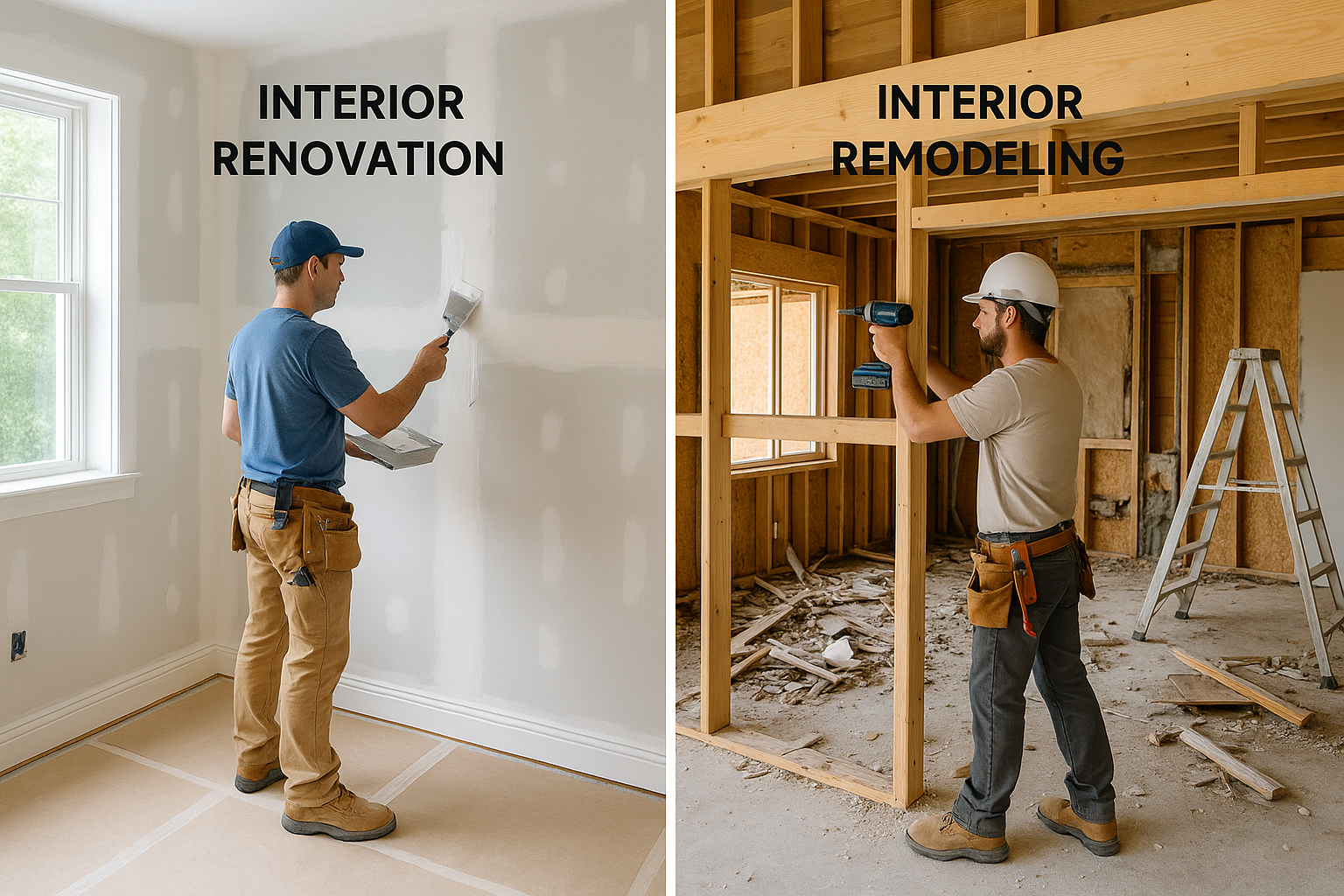
A full bathroom renovation can involve design planning, permits, demolition, plumbing, electrical work, waterproofing, fixtures, tile, ventilation, and final finishing. Working with an experienced renovation contractor helps keep the project organized from the first design discussion through construction.
If your bathroom remodel is part of a larger bedroom, suite, or basement update, learn more about our
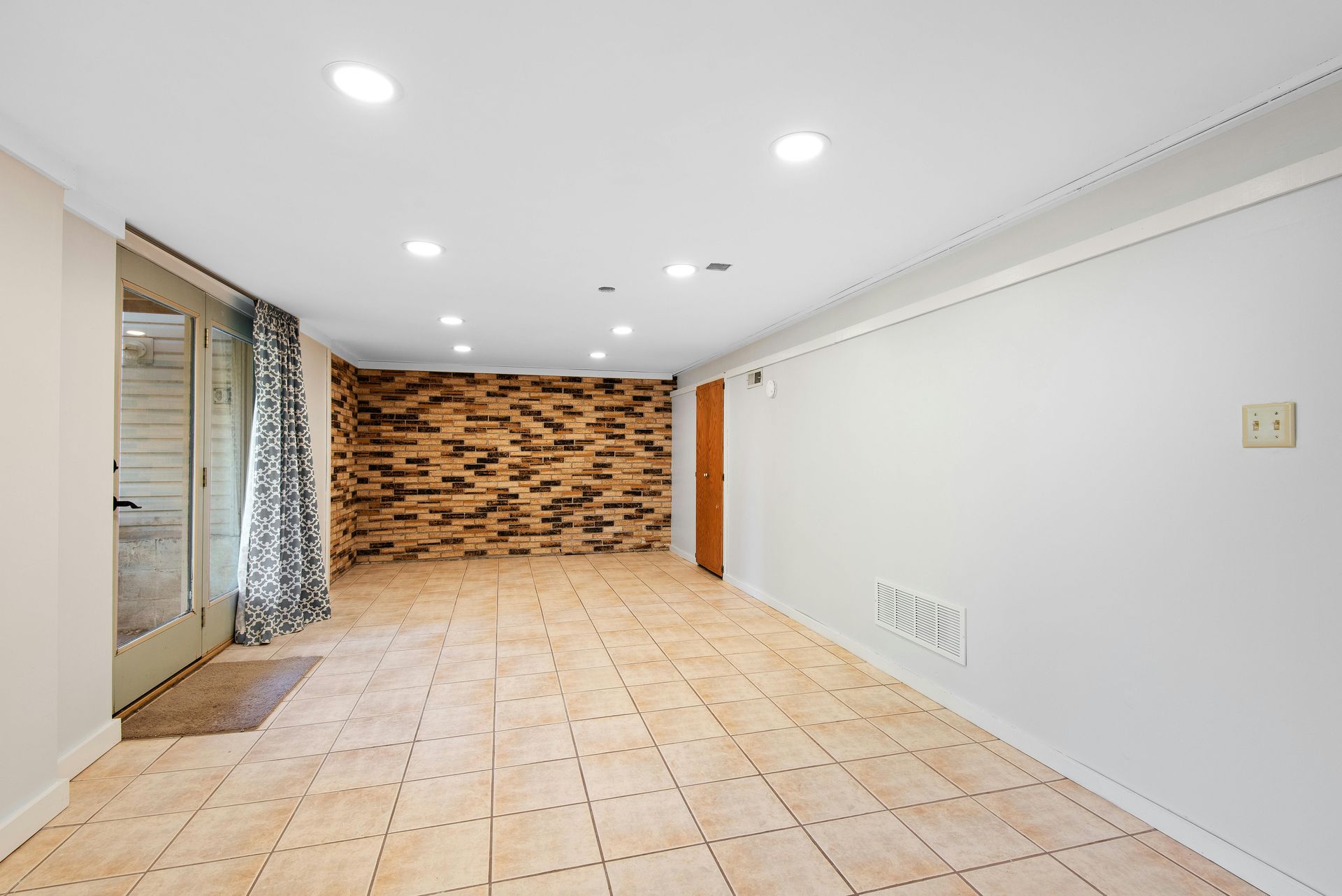
master suite and basement renovation services to see how Timberland Construction helps homeowners improve comfort, function, and long-term home value.
Frequently Asked Questions
How long does it take to get permits for a bathroom renovation?
Most bathroom permits take 2-4 weeks to approve. More complex projects that change walls or major plumbing may take longer to review.
What should I do if contractors find unexpected problems during renovation?
What should I do if contractors find unexpected problems during renovation? Stop work and ask for a written estimate to fix the problem before continuing. Most contractors expect to find some surprises in older homes and can usually solve them quickly.
Do I need a permit to replace my toilet or vanity in the same location?
Usually not, if you're just swapping out fixtures without moving plumbing. Check with your local building department to be sure about your specific project.
How do I know if my renovation meets building codes?
Licensed contractors know local codes and schedule required inspections. Building inspectors check the work and must approve it before the project is complete.
What should I ask during my first meeting with a bathroom contractor?
Ask about their experience, licensing, insurance, and timeline for your project. Request references from recent customers and ask to see examples of their work.
Final Thoughts
Bathroom renovation contractors handle the three main parts of any remodel project: planning the design, getting permits, and doing the construction work. They help homeowners create bathrooms that work better and look good while making sure all work follows building codes and safety rules.
Ready to start your bathroom renovation? Contact Timberland Construction today for a free consultation and let our experienced team handle your design, permits, and construction needs.
Reference:
https://umaec.umich.edu/desguide/1.0-Codes/DG1.0.pdf
Share this article